Fixing low water pressure can cost about $250 to $1,000 when the cause is a failing pressure regulator, and more when the problem is a leak in the main line or corroded pipes. Fixr puts a pressure regulator replacement at $250 to $1,000. The plumbing business that visits Stockton finds the cause first, then quotes.
Start with the water pressure regulator page if you want to understand the part, or the low pressure water page for symptoms. The rest of this page is price by cause.
How much does it cost for a plumber to fix low water pressure?
The price depends on the cause. Fixr puts a pressure regulator replacement at $250 to $1,000 and a water main repair at $500 to $2,000. A call out fee and hourly labor are billed alongside, so ask for both in writing.
The reason the range is wide is that low pressure is a symptom, not a repair. Bob Vila lists a failing pressure regulator, a partly closed main shut-off valve, a main line leak, mineral buildup, corroded pipes, a hidden leak, a shared line and clogged fixtures among the causes. Each is priced differently.
| Cause | Typical cost | Note |
|---|---|---|
| Clogged aerator or showerhead | often DIY | Cheap, one fixture only |
| Partly closed main valve | no repair cost | Worth checking first |
| Pressure regulator replacement | $250 to $1,000 | Fixr |
| Main water line repair | $500 to $2,000 | Fixr, average $1,000 |
How much would a plumber charge to fix water pressure in the whole house?
A plumber typically charges a call out fee plus an hourly rate for most work, then the part and labor for the cause. We found no sourced figure for either, so ask for them in writing. For a failing regulator, Fixr lists $250 to $1,000. A whole-house problem at the main line costs more, and an upper-floor-only problem may be a fixture or a leak.
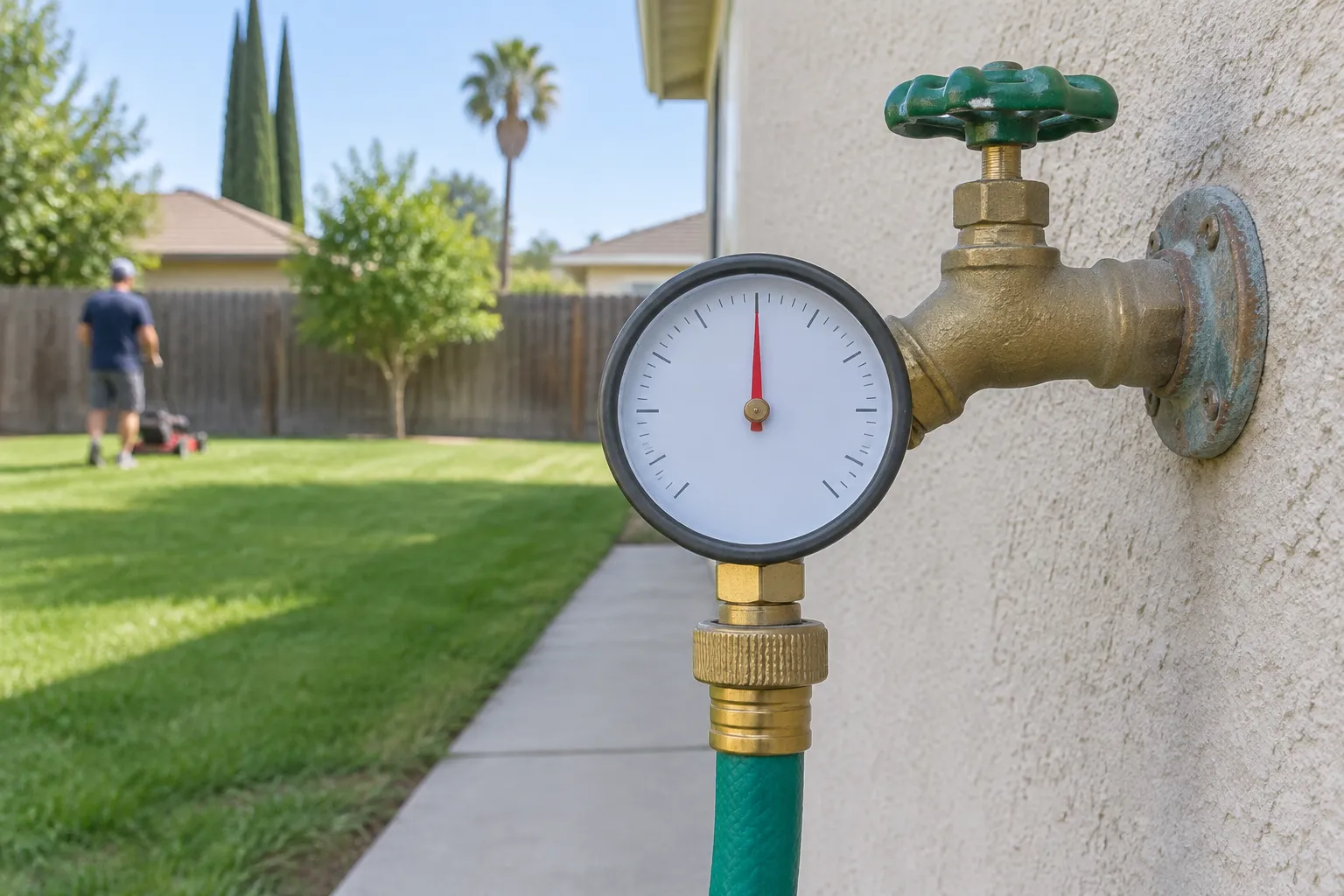
Knowing your reading first helps, and it costs almost nothing. EPA WaterSense says fixtures work best when incoming pressure is 45 to 60 psi, and you can check with a pressure gauge on an outdoor hose bibb with all water-using fixtures off. A reading well below that may point to a leak, and a reading well above may call for a regulator.
How do you tell what is causing it before you call?
Check whether the problem is one fixture or the whole house. If only one faucet or shower is weak, a clogged aerator or showerhead is the likely cause and costs little to fix. If every fixture is weak, check the main shut-off valve, then compare a gauge reading with the 45 to 60 psi guide.
Also ask the neighbors. Bob Vila lists supplier maintenance, a main break or a shared line as causes outside your home, in which case no plumber can fix it. If the weakness began suddenly and the water bill climbed, a leak is a strong possibility. See plumber for water leak for what a leak visit involves.
Can hard water cause low water pressure?
Yes, indirectly. Mineral buildup can narrow pipes and clog fixtures, and Bob Vila lists calcium and magnesium deposits from hard water among the causes of low pressure. Cal Water's Stockton Water Quality Report lists groundwater hardness of 22 to 290 ppm with an average of 150 ppm, and says hard water may cause mineral buildup in pipes or water heaters.
That average sits at the boundary of moderately hard and hard in the report's scale, so mineral scale is a plausible cause, especially on fixtures. Cleaning aerators is the cheap first step, and a plumber can check pipes and the water heater. The flush water heater page explains sediment.
What pushes the cost up or down?
The cause matters most, followed by access, pipe type and timing. A regulator in an accessible spot is a short job, while a regulator buried underground or a main line under a driveway costs far more. Corroded galvanized pipes can mean sections replaced, which moves the bill up quickly.
- Location of the problem. A buried main line needs digging and restoring the surface.
- Pipe condition. Older galvanized steel rusts from the inside and may need replacing in sections.
- Fixture count. A whole-house problem touches more fixtures than a single one.
- Call out and timing. Service call fees are billed on top, and evening or weekend visits cost more.
- Permits. Larger line work can require a permit, so ask whether the quote includes it.
- Pressure level. A regulator set too high can damage pipes and fixtures, and the plumber can adjust it as part of the visit.
How to compare low water pressure quotes
Ask each plumber what they tested and what they found. A quote should name the cause, the part or repair, the labor and any permit, not just a total. If one business quotes a regulator and another quotes new pipes, ask both what reading they measured.
Be careful of a quote that offers a fix without a diagnosis. Ask for the gauge reading in writing. For how call out fees and hourly rates work, see the plumber cost page, and for problems that need after-hours help, see emergency plumber cost.